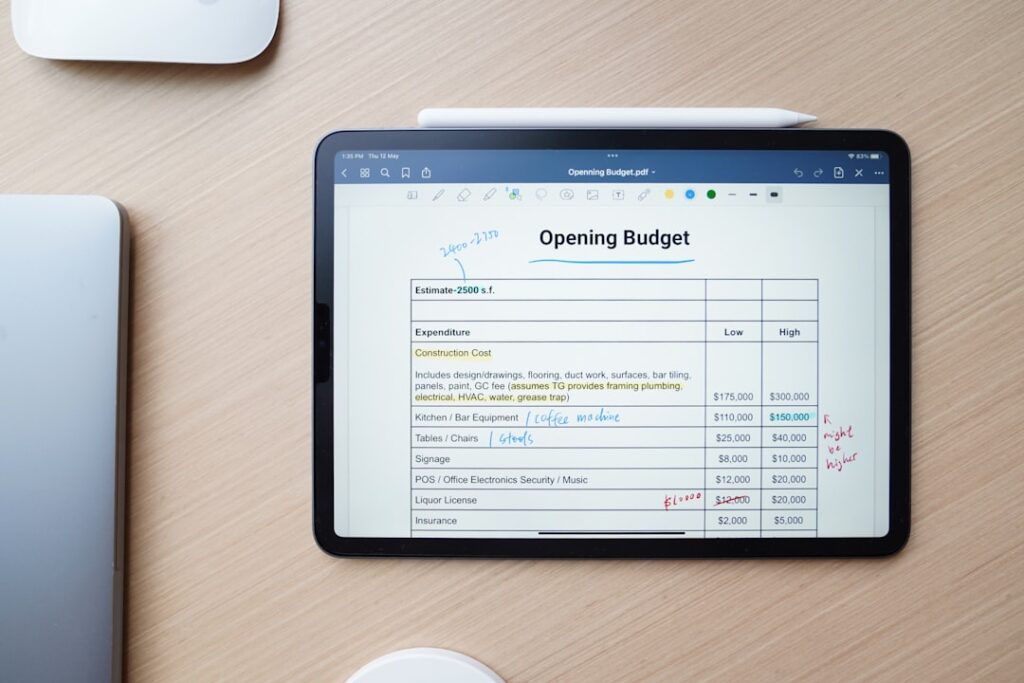

Cash flow problems remain one of the top reasons businesses struggle, even in profitable years. Without a clear system to plan, track, and adjust spending, growth can quickly turn into financial strain. That is why choosing the best business budgeting tools is no longer optional for serious entrepreneurs and finance teams.
Modern budgeting software does more than track expenses. It forecasts revenue, integrates with accounting platforms, automates reporting, and gives leaders real time visibility into financial performance. In this guide, you will find a curated list of tools that help businesses of different sizes plan smarter and grow with confidence in 2026.
Best Business Budgeting Tools for Smarter Financial Planning
1. QuickBooks Online: All in One Accounting and Budgeting for Small Businesses
QuickBooks Online consistently ranks among the best business budgeting tools for small and medium sized companies. Its budgeting feature allows you to create annual budgets, break them down by month, and compare actual results against projections. This makes variance analysis simple and actionable.
The platform integrates seamlessly with bank accounts, payment processors, payroll systems, and tax tools. As a result, financial data flows automatically into your budget reports. This reduces manual entry errors and saves valuable time.
In 2026, QuickBooks has expanded its AI driven insights, offering predictive cash flow forecasting and automated expense categorization. These features help business owners anticipate shortfalls before they become critical issues.
QuickBooks works best for businesses that want budgeting and accounting in one place. However, larger organizations with complex departmental budgets may find its forecasting tools somewhat limited compared to enterprise platforms.
2. Planful: Advanced Planning for Growing Companies Seeking the Best Business Budgeting Tools
Planful is designed for companies that have outgrown spreadsheets and need structured, collaborative budgeting. It supports driver based forecasting, multi entity consolidation, and scenario planning. These capabilities make it one of the best business budgeting tools for scaling organizations.
Finance teams can build dynamic models that adjust automatically when assumptions change. For example, if sales forecasts drop by 10 percent, the system can instantly reflect the impact on staffing and operational budgets.
Planful also emphasizes collaboration. Department heads can input projections directly into the platform, which reduces version control issues that often occur with spreadsheet based budgeting.
While powerful, Planful may be more robust than necessary for very small businesses. It is ideal for mid sized companies or enterprises that require detailed financial planning and performance management.
3. Adaptive Planning by Workday: Enterprise Grade Business Budgeting Software
Workday Adaptive Planning is widely recognized among the best business budgeting tools for large organizations. It provides sophisticated forecasting, workforce planning, and financial modeling features.
One of its strongest advantages is real time scenario modeling. Finance leaders can create best case, worst case, and most likely projections within minutes. This is especially valuable in uncertain markets where strategic agility matters.
The platform integrates with ERP systems, CRM software, and HR tools. That means your budgeting process reflects actual workforce costs, sales pipelines, and operational expenses in a unified dashboard.
Adaptive Planning is best suited for enterprises with dedicated finance teams. Its pricing and complexity may not align with startups, but for organizations managing multiple departments and global entities, it delivers exceptional control.
4. Float: Cash Flow Focused Budgeting for Real Time Visibility
For businesses primarily concerned with liquidity, Float stands out as one of the best business budgeting tools focused on cash flow management. It connects directly to accounting platforms like Xero and QuickBooks to provide real time forecasts.
Instead of relying only on static budgets, Float continuously updates projections based on incoming and outgoing transactions. This helps business owners see how upcoming bills, payroll, and receivables affect available cash.
Float also allows short term and long term forecasting. You can model how taking on a new contract or investing in equipment will influence cash reserves over several months.
This tool is particularly useful for service businesses, agencies, and startups where cash timing is critical. While it does not replace full accounting software, it enhances financial visibility significantly.
5. Cube: Spreadsheet Friendly Solution Among the Best Business Budgeting Tools
Many finance professionals still prefer working in spreadsheets. Cube bridges the gap between traditional Excel workflows and modern cloud based planning systems, earning its place among the best business budgeting tools.
Cube connects spreadsheets directly to your source systems. This means you can continue using familiar formulas and layouts while pulling in live data from accounting and HR platforms.
The platform also improves version control and collaboration. Instead of emailing multiple files, teams work from a centralized data source that syncs automatically.
Cube is ideal for growing companies that want to move beyond manual spreadsheets without completely abandoning them. It offers flexibility while reducing the risks associated with disconnected budgeting files.
How to Choose the Best Business Budgeting Tools for Your Company
Selecting the right solution depends on your business size, complexity, and financial goals. Before committing to any platform, define what you need your budgeting tool to accomplish.
Start by evaluating the following factors:
- Business size and structure: Do you manage multiple departments or entities?
- Integration needs: Does the tool connect with your accounting, payroll, and CRM systems?
- Forecasting capabilities: Do you need scenario planning and predictive modeling?
- Collaboration features: Will department managers contribute to the budgeting process?
- Budget: Does the pricing align with your expected return on investment?
For small businesses, all in one solutions like QuickBooks may be sufficient. Mid sized companies often benefit from dedicated planning tools such as Planful or Cube. Enterprises typically require advanced platforms like Adaptive Planning.
Additionally, consider implementation time and user training. Even the best business budgeting tools will fail to deliver results if your team does not understand how to use them effectively.
Finally, request demos and trial periods whenever possible. Testing the software with real data provides a clearer picture than marketing materials alone.
Conclusion
The best business budgeting tools empower companies to forecast accurately, control spending, and make confident strategic decisions. Whether you run a startup or a global enterprise, the right platform can transform budgeting from a reactive task into a proactive growth strategy.
Evaluate your needs, compare features carefully, and invest in a solution that supports your long term goals. Start exploring the best business budgeting tools today and take control of your financial future.